Incremental Lifestyle Elements and Energy Dynamics
Understanding Incremental Influences
Lifestyle comprises discrete components that combine to create overall patterns. Understanding energy dynamics requires examining how individual elements interact synergistically. No single element functions in isolation; rather, elements influence one another through physiological pathways.
Nutritional Elements
Nutrition encompasses multiple measurable dimensions:
- Total energy intake: Total calories consumed daily
- Macronutrient composition: Ratios of protein, carbohydrate, and fat
- Micronutrient adequacy: Vitamins and minerals supporting physiological processes
- Food timing: Distribution of eating throughout the day
- Food quality: Processing level and nutrient density
Each dimension influences energy dynamics. More importantly, they interact—macronutrient composition affects satiety and hunger patterns; food quality influences micronutrient status; timing affects metabolic processing.
Activity Elements
Physical activity comprises distinct components:
- Structured exercise: Planned, intentional physical training
- Incidental activity: Daily movement not part of formal exercise
- Intensity variation: Mix of moderate and vigorous activity
- Activity consistency: Regularity of movement patterns
- Type diversity: Variety of movement forms engaging different systems
Energy expenditure reflects the combination of all these elements rather than any single factor.
Recovery and Temporal Elements
Recovery encompasses more than sleep alone:
- Sleep duration and consistency
- Sleep quality and continuity
- Stress management practices
- Circadian alignment of activities
- Rest intervals and active recovery
These elements interact with nutrition and activity to influence overall physiological function.
Synergistic Interactions
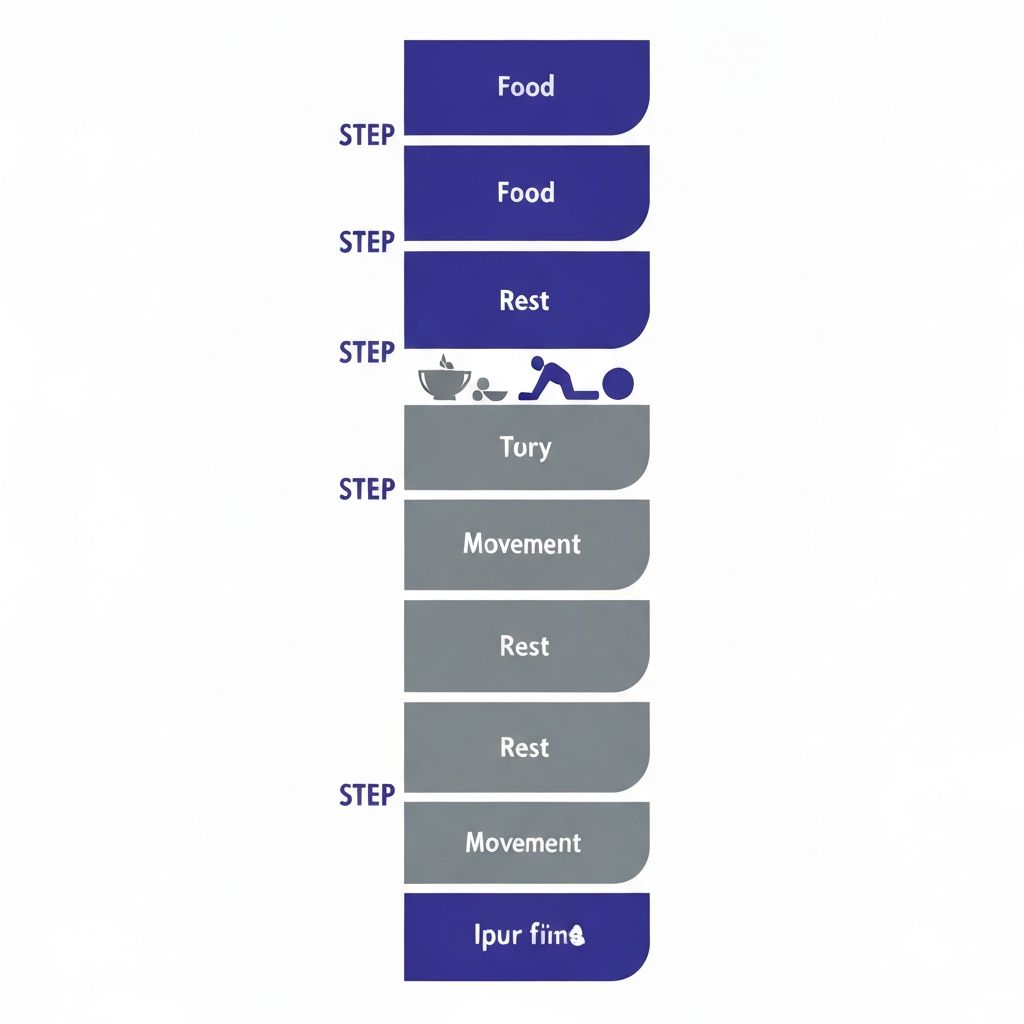
Elements interact synergistically—the effect of combined elements exceeds the sum of individual effects. Good nutrition supports effective activity performance and recovery. Adequate sleep enhances nutritional processing and activity adaptation. Consistent activity improves appetite regulation and sleep quality.
This synergy explains why addressing single elements in isolation produces limited effects, while comprehensive patterns produce more substantial physiological changes.
Energy Dynamics in Systems Context
Energy dynamics ultimately reflect the emergent properties of complete lifestyle systems rather than properties of individual components. A person consuming adequate nutrition while sedentary experiences different physiological effects than someone with identical nutrition but active. Similarly, activity without adequate recovery produces different outcomes than activity combined with quality sleep.
Understanding these dynamics requires considering the integrated system.
Individual Integration Patterns
While general principles apply universally, individuals integrate lifestyle elements distinctly. Some integrate elements optimally; others create suboptimal combinations. Individual circumstances, preferences, constraints, and abilities influence how elements combine.
Moreover, optimal element combinations likely differ between individuals based on genetic and environmental factors. What constitutes optimal integration for one person may differ from optimal integration for another.
Limitations & Context
This article describes general principles of how lifestyle elements combine to influence energy dynamics. Significant individual variation exists in both optimal element combinations and magnitude of physiological effects. This educational framework should not be interpreted as prescriptive guidance for individual circumstances.
Practical Logical Understanding
The logical framework for understanding lifestyle and energy dynamics emphasises systems thinking. Rather than isolating individual behaviours, recognise how behaviours combine to create overall patterns. Rather than expecting single changes to produce major effects, understand how coordinated changes create synergistic improvements.
This perspective shifts focus from isolated interventions to integrated lifestyle systems, aligning understanding with actual biological reality.